Picture this: you’re ready to enjoy your favorite cigar or embark on a culinary adventure, but your trusty torch lighter refuses to produce that satisfying click and spark. Fret not! In this guide, we’ll unravel the mystery behind a silent torch lighter and explore practical steps to revive its ignition. From common causes to hands-on solutions, get ready to reignite the flame with our troubleshooting tips.
Common Causes of a Torch Lighter Not Clicking
In this exploration of the common causes behind a non-clicking torch lighter, we unravel the mysteries that often dampen moments of relaxation and culinary delight. From the straightforward depletion of butane to the subtle intricacies of the flint wheel, join us on a journey to understand why your torch lighter falls silent. Discover the reasons behind the silence and stay tuned for practical solutions that will have you reigniting the flame in no time.
- Butane Depletion: At the heart of many torch lighter troubles lies the simplest explanation—an empty fuel tank. Whether your lighter has been in storage or used extensively, a low butane level could be the root cause.
- Air Pocket Formation: Over time, air pockets may form within the lighter, disrupting the seamless flow of butane to the ignition system. This hiccup can result in a failure of the clicking mechanism.
- Flint Wheel Issues: The unsung hero of the ignition process, the flint wheel, can experience misalignment or wear and tear. This may hinder its ability to strike the flint effectively, leading to a silent lighter.
- Air Intake Obstruction: Debris, dust, or lint infiltrating the lighter’s air intake can disrupt the delicate balance of air and butane necessary for proper ignition, causing the lighter to fall silent.
- Improper Flame Height Adjustment: Fine-tuning the flame height is an often-overlooked aspect. If set too low, the lighter may struggle to generate a visible spark, leaving users puzzled and in the dark.
Navigating Troubleshooting Steps for Torch Lighter Revival
There are several simple ways to address issues with a lighter that won’t ignite on click. It’s essential to check the butane levels, eliminate potential air pockets, inspect the spark wheel, clean the air intake from debris, and adjust the flame height correctly. These steps will help you restore functionality to your lighter and enjoy the flame without unnecessary hassle.
- Check Butane Levels: Before delving into complex solutions, start with the basics. Ensure your torch lighter has a sufficient amount of butane, and if necessary, follow proper refilling procedures.
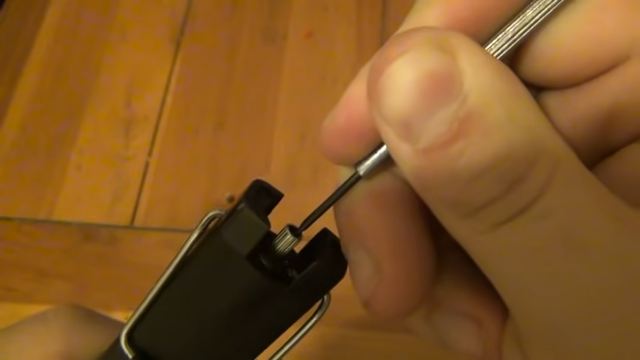
- Bleed Air Pockets: The process of purging the lighter by pressing the refill valve with a small tool aids in expelling any trapped air, restoring the smooth flow of butane to the ignition system.
- Inspect the Flint Wheel: Take a closer look at the flint wheel. If signs of misalignment or wear are evident, consider replacing it in accordance with the manufacturer’s recommendations to rejuvenate the clicking mechanism.
- Clean Air Intake: Delicate yet crucial, the air intake deserves attention. Use a can of compressed air or a small brush to meticulously clear any debris obstructing the pathway, ensuring an unobstructed airflow.
- Adjust Flame Height: Experiment with flame height adjustment, finding the sweet spot for optimal ignition. Avoid setting the flame too low, as it may compromise the generation of a robust spark.
- Perform a Test Ignition: Once troubleshooting is complete, conduct a test ignition in a safe environment. Listen for the reassuring click and observe the spark, signifying that your torch lighter is ready to illuminate once again.
DIY Troubleshooting or New Purchase – Weighing the Options
If none of the troubleshooting methods proves successful, you might want to consider the cost-effectiveness of repair versus purchasing a new lighter. Evaluate the extent of the issue – if it’s a simple fix, like replacing a worn flint wheel or cleaning out debris, repairing it yourself could be cost-effective. However, if the problem is more complex or involves internal components, professional repair may become more expensive.
On the other hand, if your current lighter is older or showing signs of extensive wear, and the cost of repair seems high, it might be more economical in the long run to invest in a new lighter. Newer models often come with improved features and technology.
In the end, the decision depends on the specific issue, the cost of repair, and your preference for either fixing the existing lighter or investing in a new one.


Leave a Reply
You must be logged in to post a comment.